Early works - how it all started
Early experiments driven by curiosity and learning, forming the foundation for later bicycle projects.
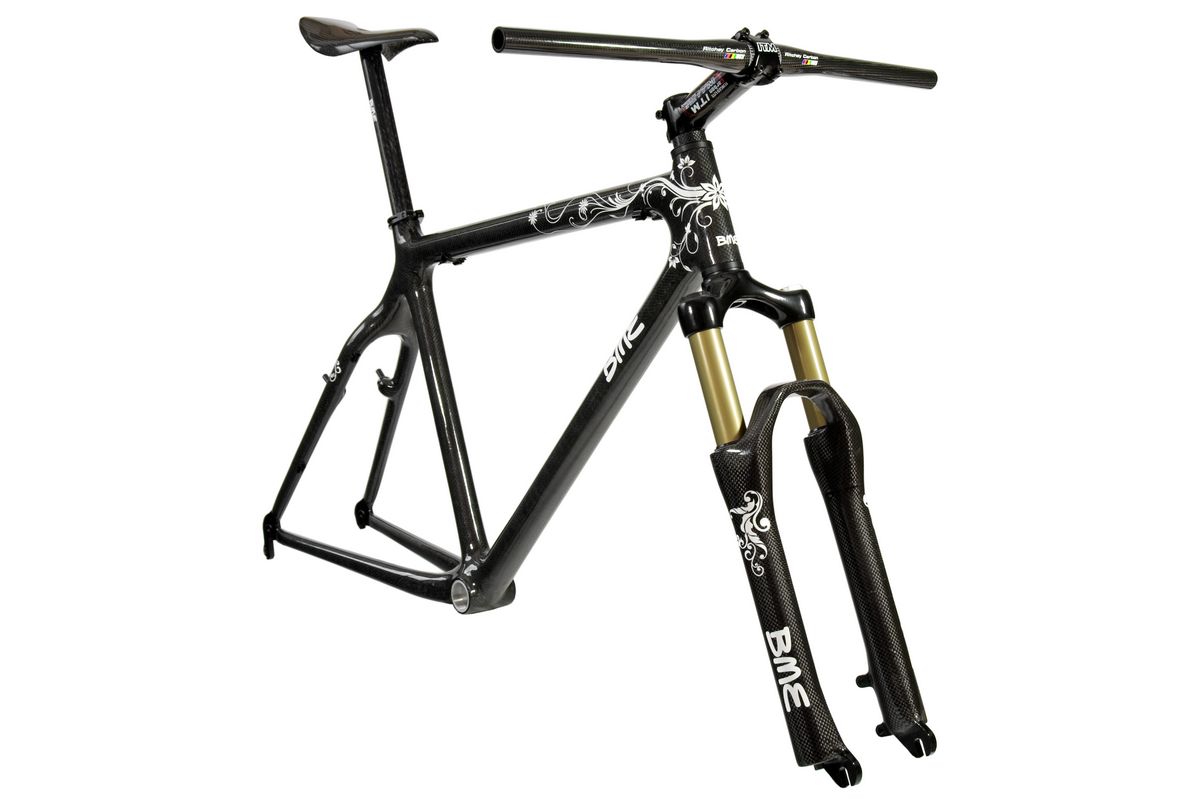
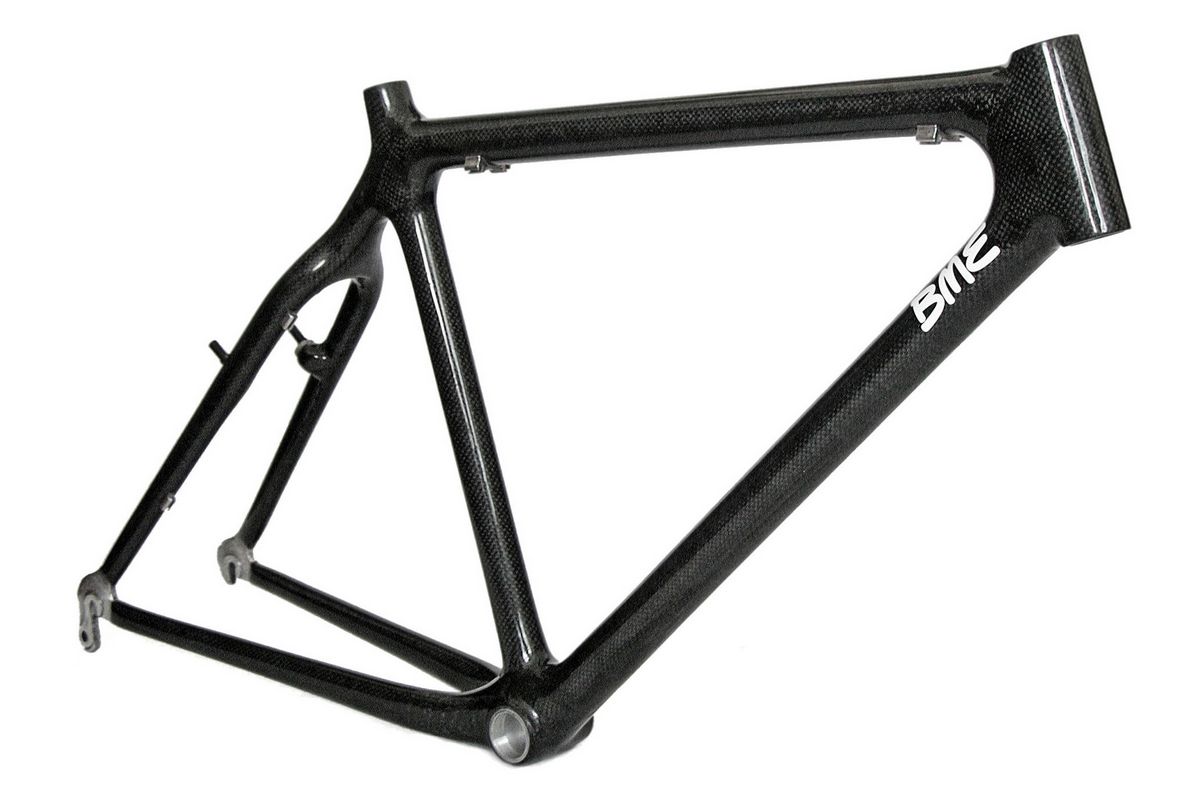
First carbon MTB frame
Overview
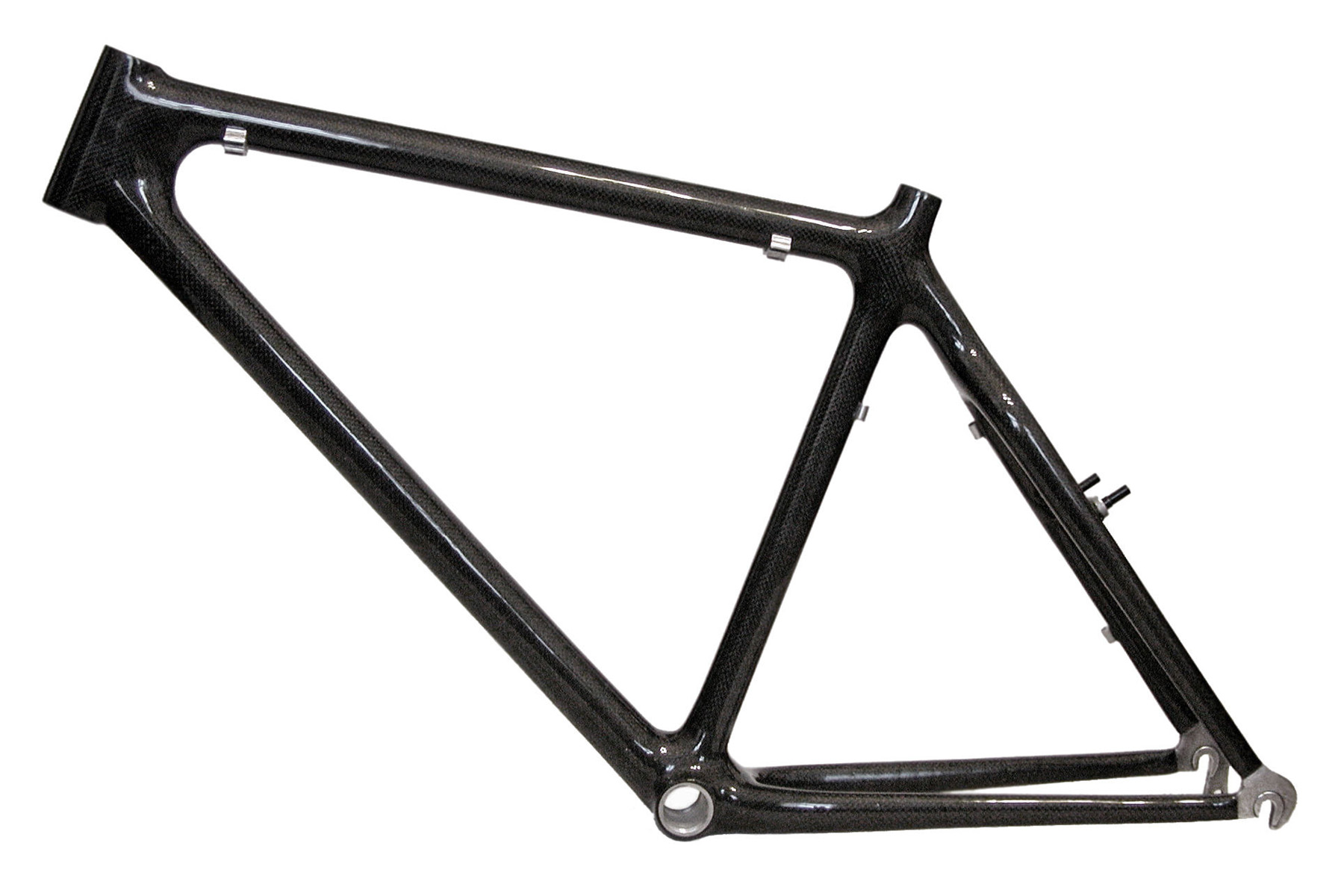
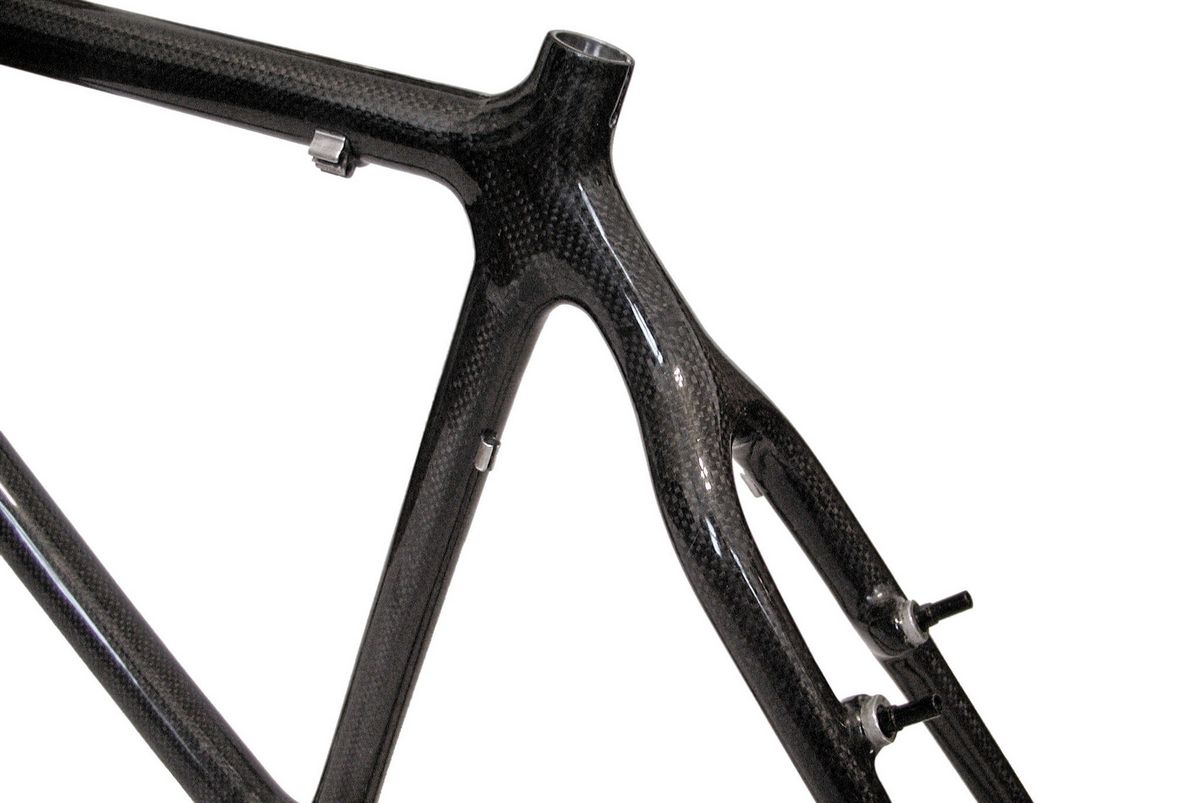
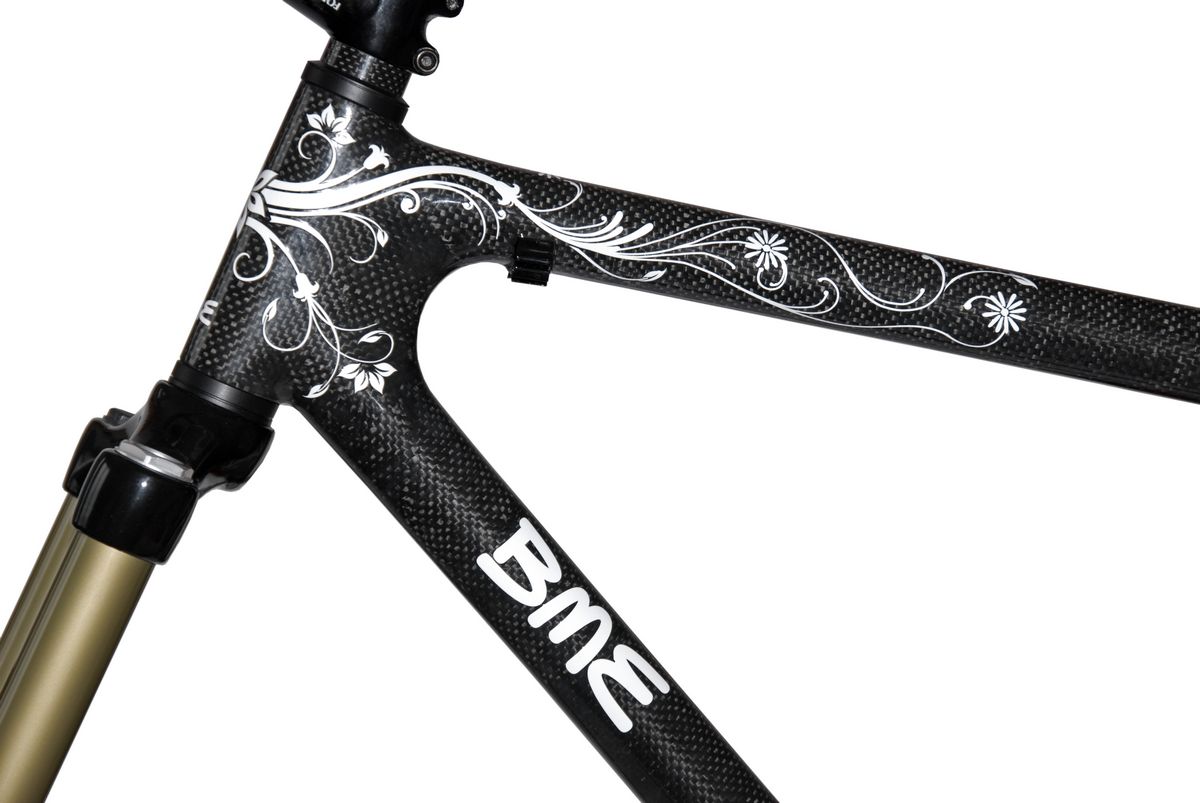
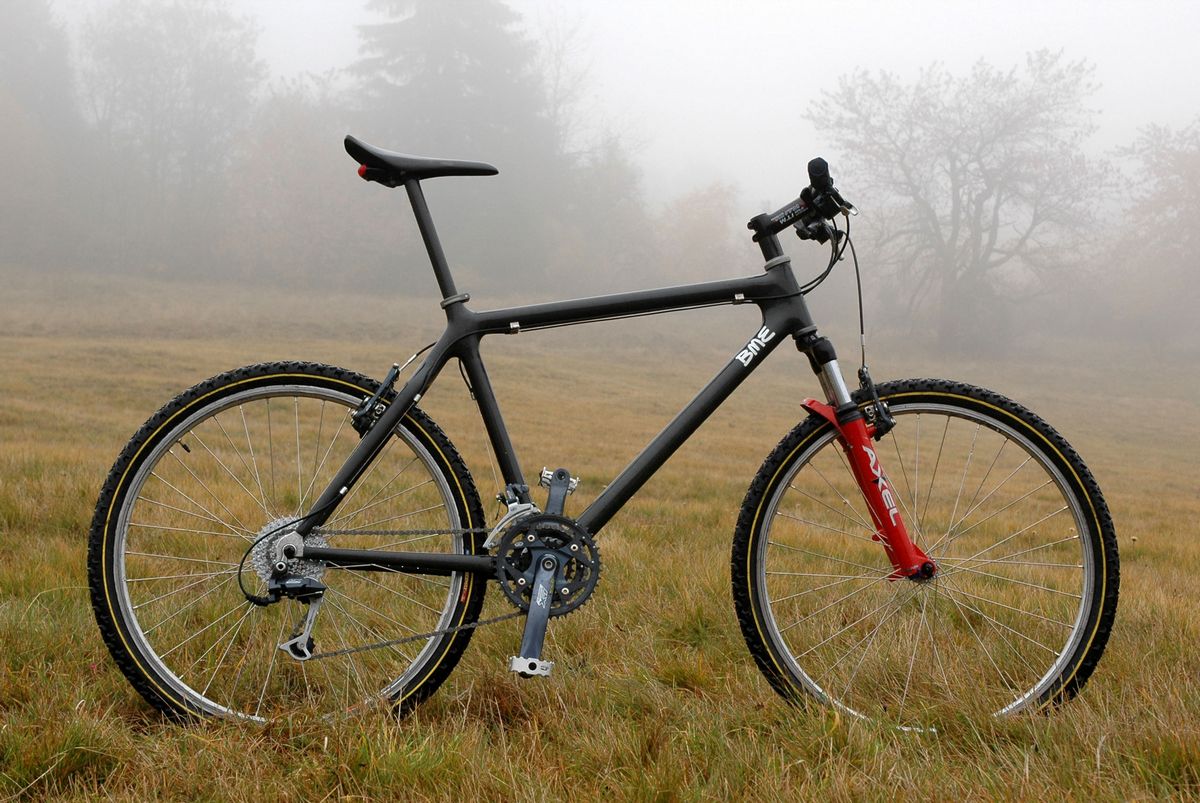
The first carbon MTB frame was built in 2003 as a personal project driven by curiosity and a desire to understand composite materials.
At the time, information about carbon construction was limited, so the process involved a significant amount of experimentation. The frame was built using a classic wet layup method over a styrofoam core.
This project marked the starting point of further work with composite materials.
In 2008, a description of the building process was published on Instructables in the article “How I Built a Carbon Bike Frame at Home (and a Bamboo Frame Too)”.
Gallery
Bamboo MTB frame
Overview
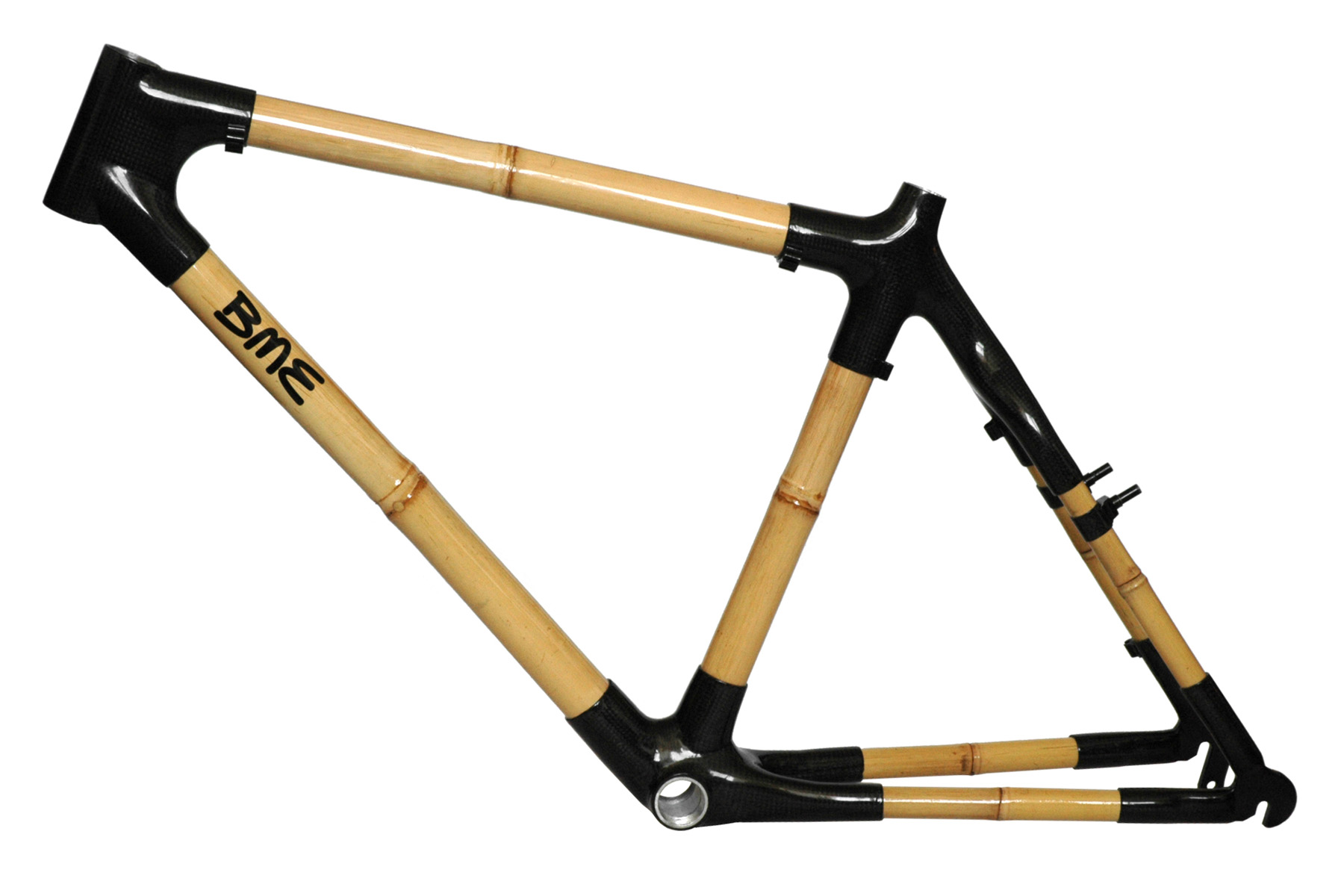
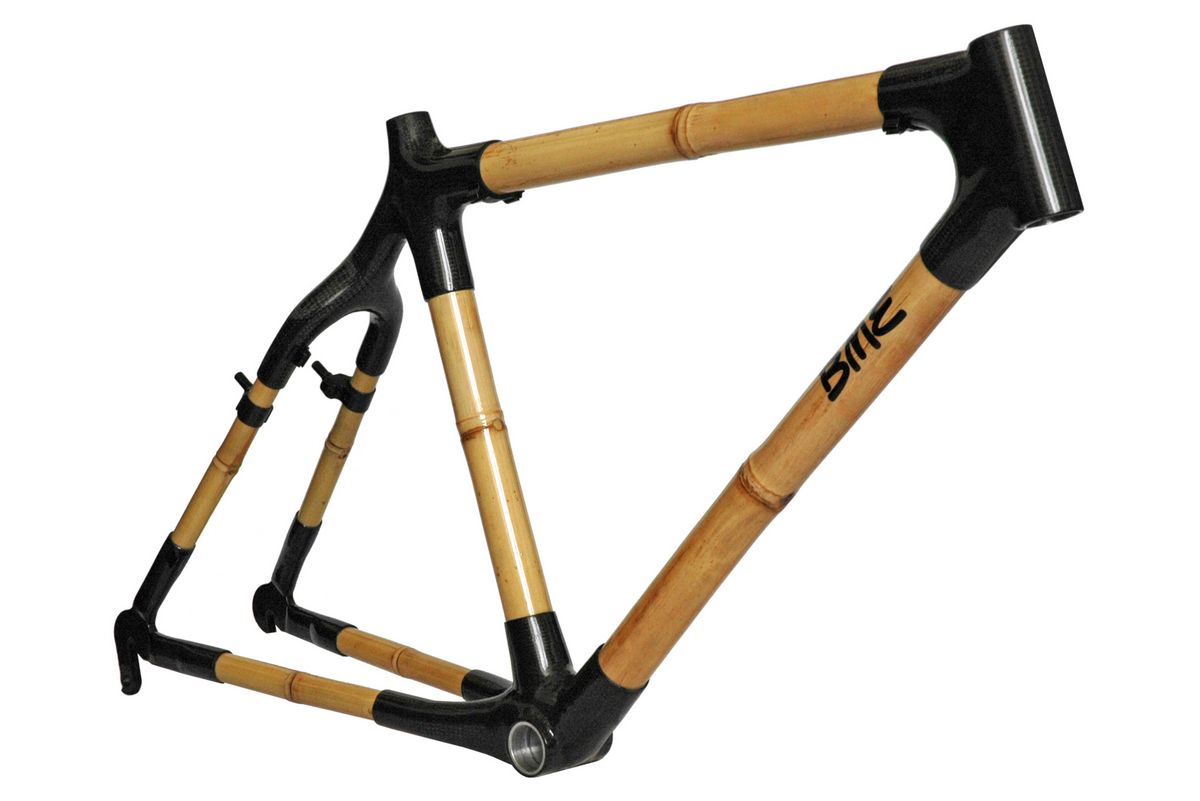
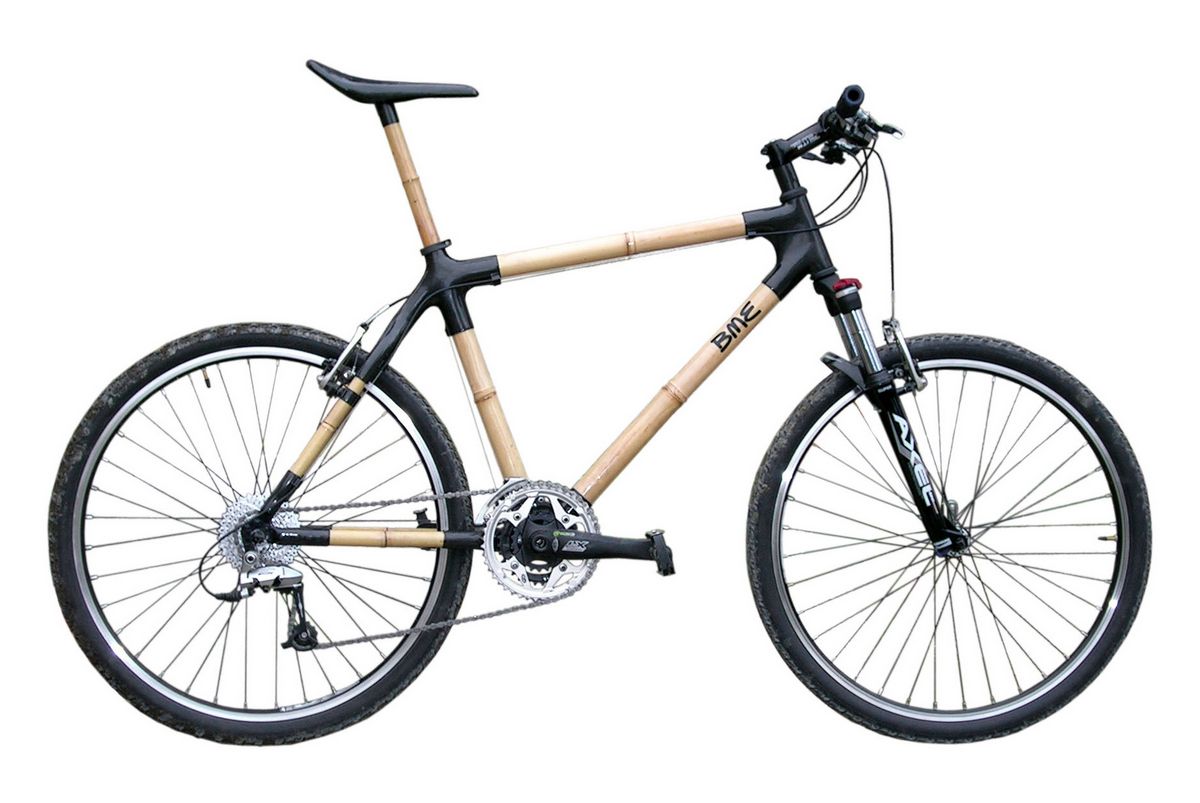
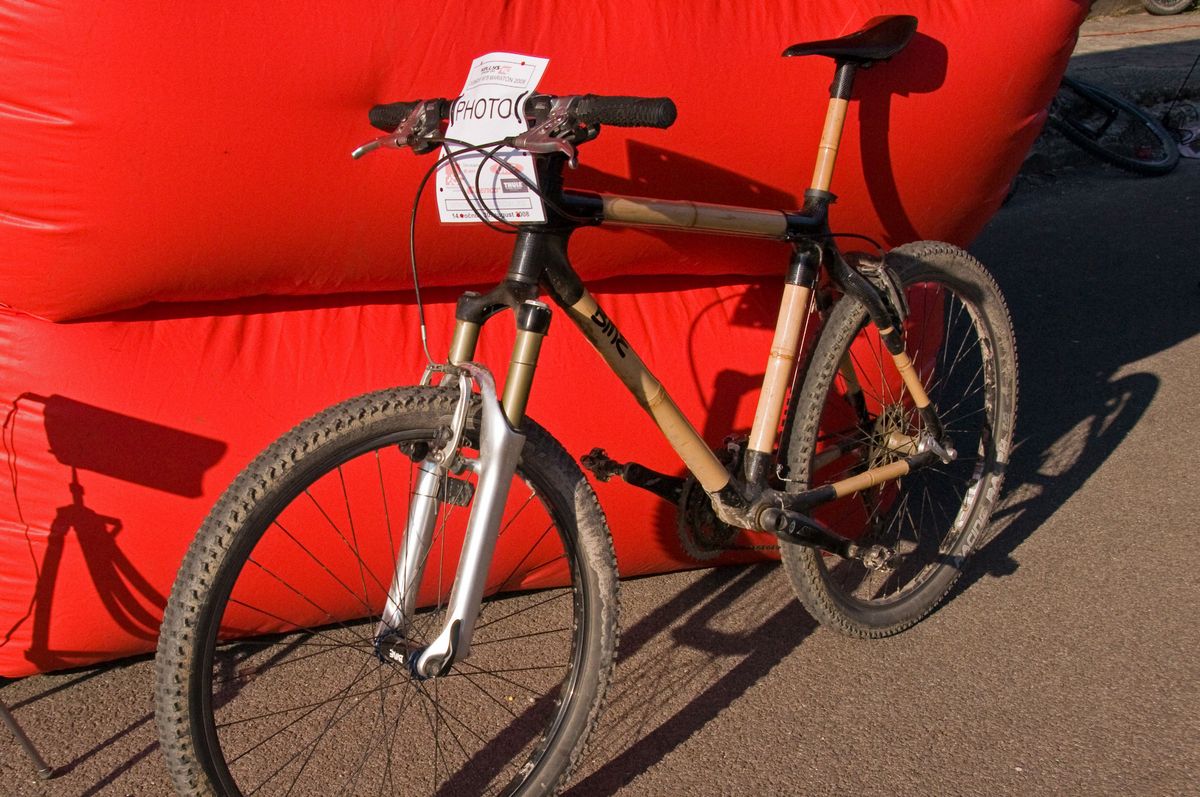
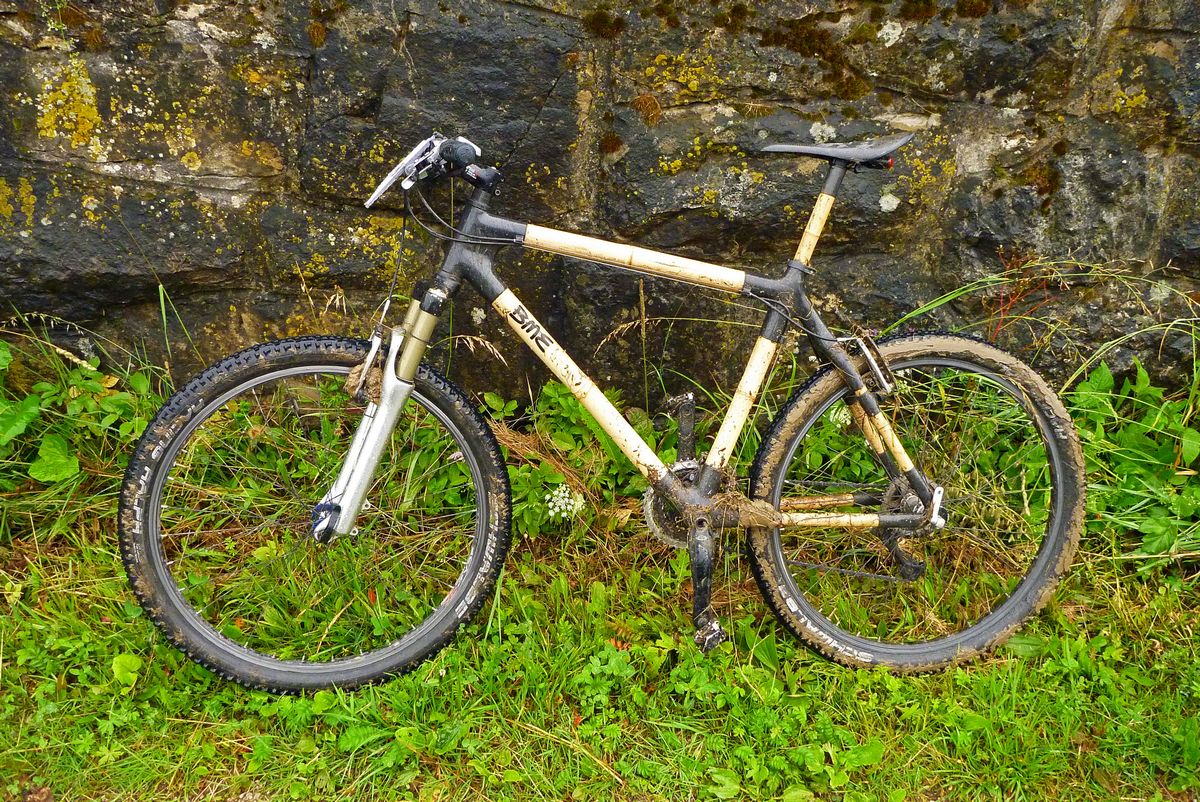
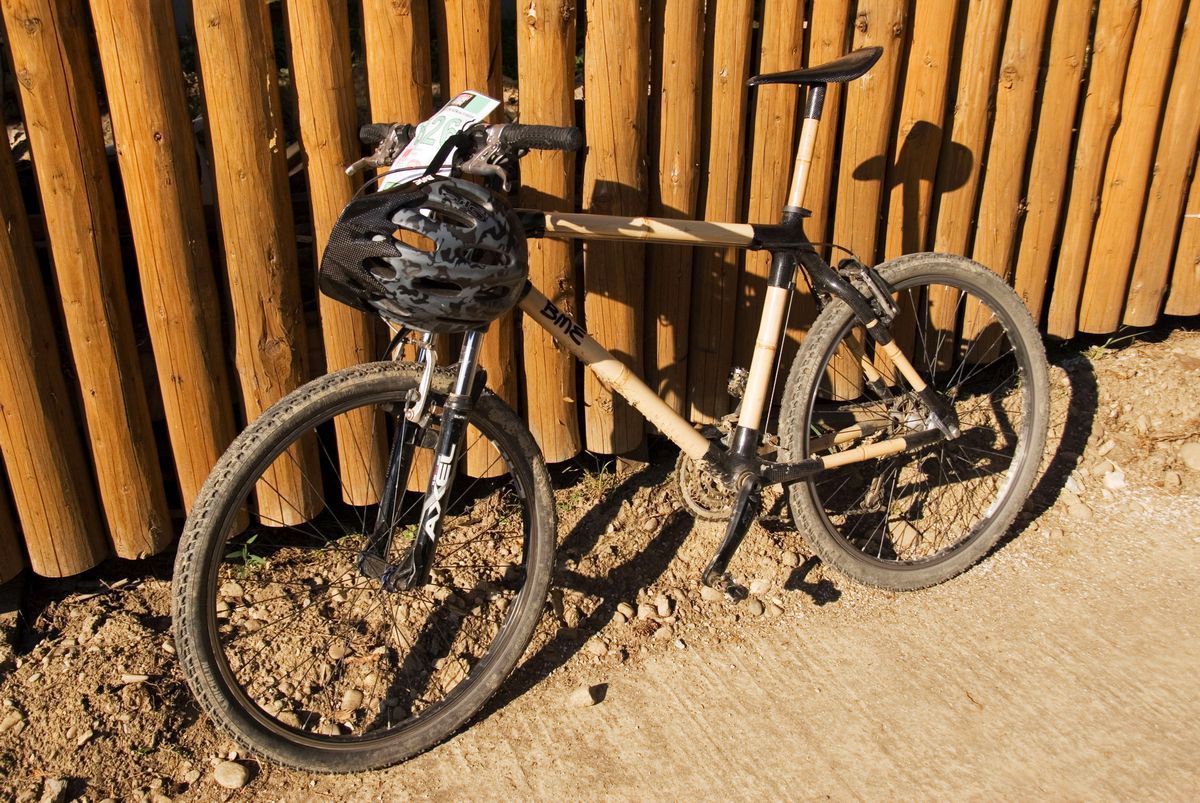
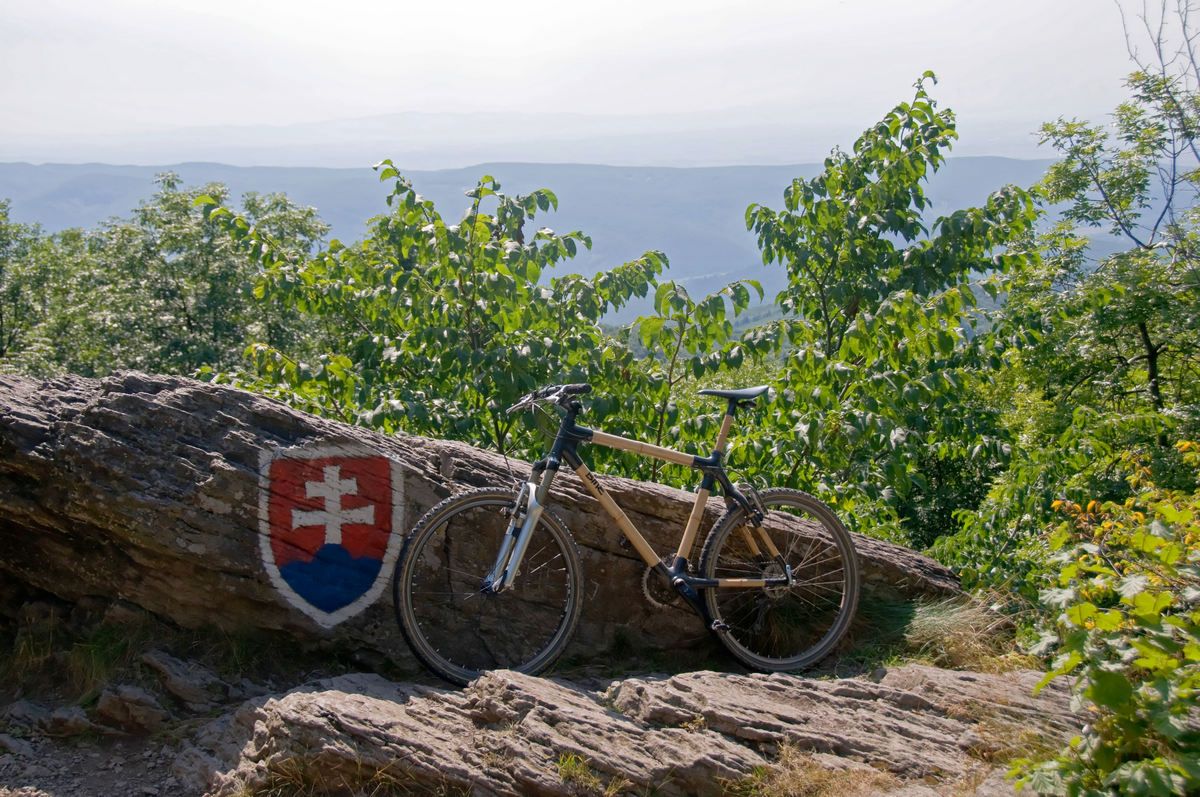
The bamboo MTB frame followed in 2004 as a continuation of experimentation with alternative materials.
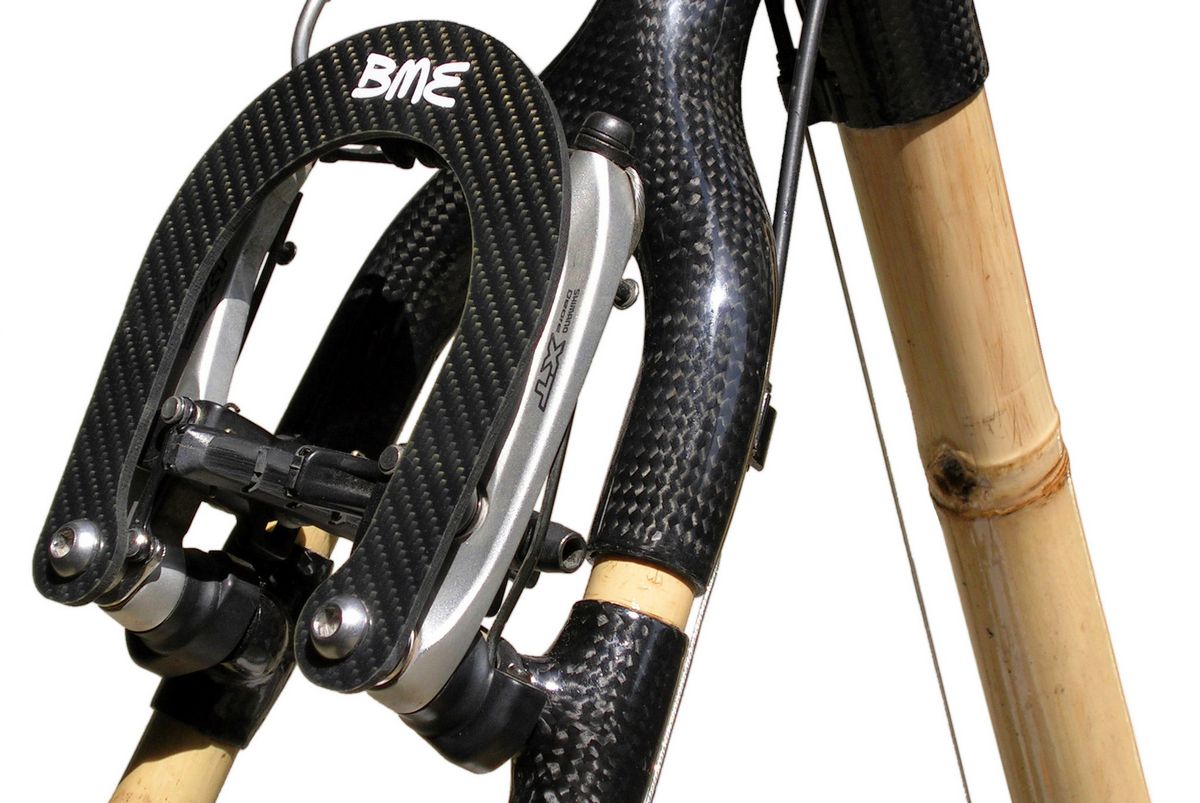
Using natural bamboo tubes combined with carbon composite joints, the frame explored the potential of bamboo as a structural material in bicycle construction.
This project introduced ideas that later evolved into more advanced work with bamboo and composite materials. It also marked the beginning of a long-term interest in bamboo as a structural material.
Gallery

Other projects
In parallel with frame development, several smaller projects explored components, materials and unconventional ideas — some with the intention of production, others purely experimental.
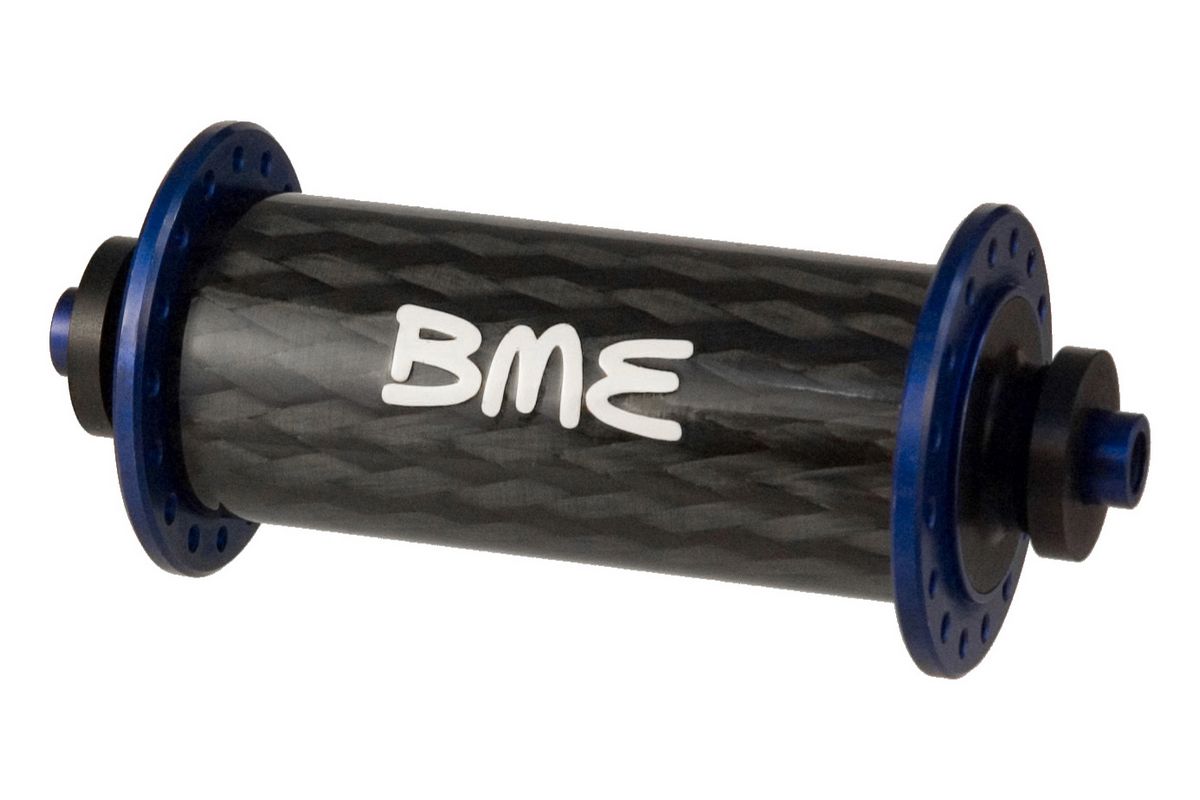
Road & MTB Front Hubs
An advanced design using sealed cartridge bearings, precision machined 7075-T6 alloy flanges and a carbon composite axle and hub shell resulted in low weight and reliable performance.
These hubs were developed with the intention of small-scale production and were partially sold.
Weight of the road front hub was 76 g (2.68 oz) (without quick release) and MTB hub was 93 g (3.28 oz) (without quick release).
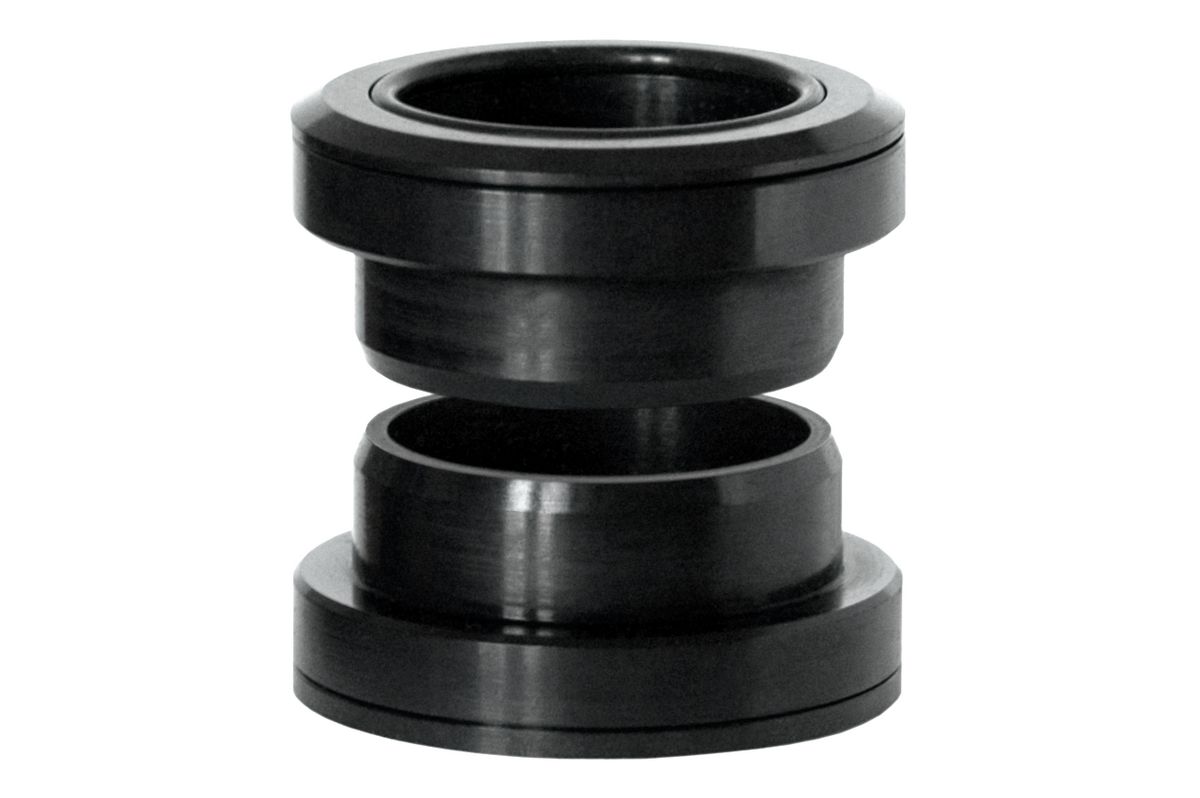
Headsets with ceramic and plastic slide bearings
This experimental headset was developed as an attempt to reduce overall weight and simplify the number of components. Instead of traditional ball bearings, it used sliding bearings — an unconventional solution that proved to work reliably.
The sliding bearings were made from either ceramics or a specialized low-friction plastic material with high wear resistance. The ceramic version weighed 50 g (1.76 oz), while the plastic version weighed 43 g (1.52 oz).
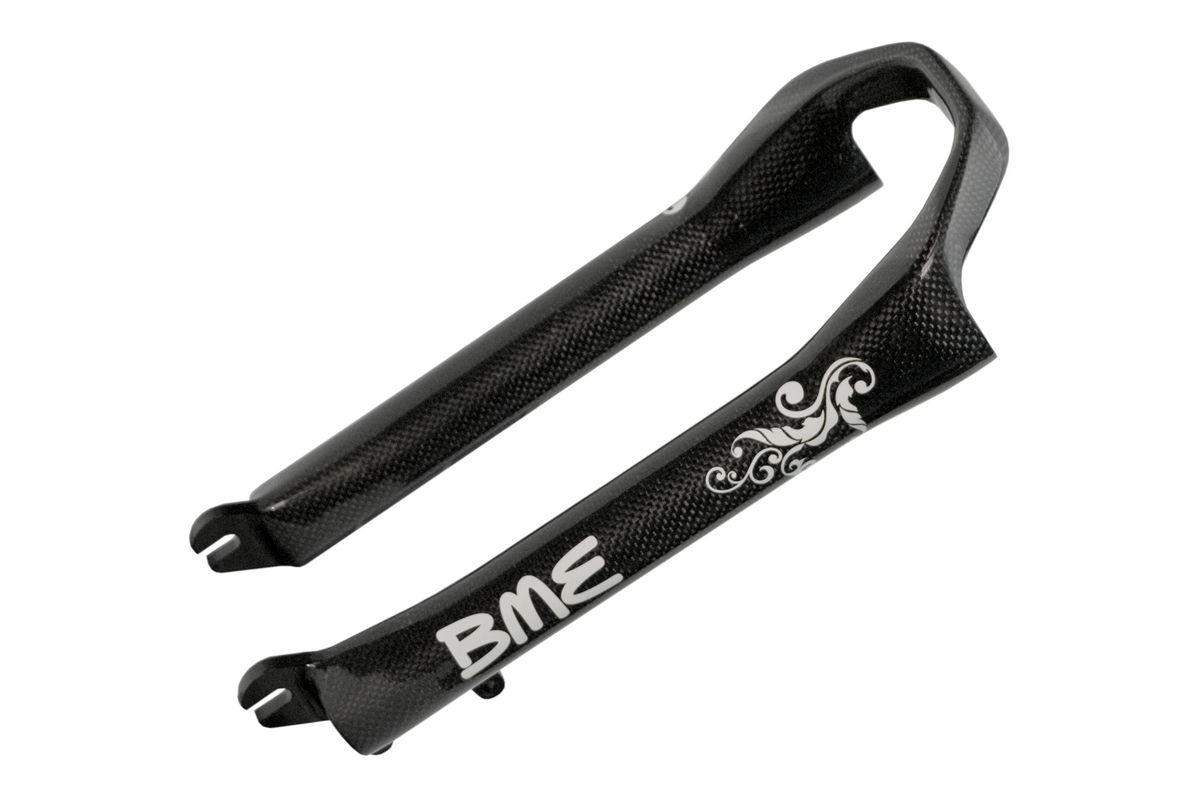
Carbon MTB fork legs
Carbon composite outer legs for a suspension fork, combining titanium and carbon as part of ongoing material experimentation.
This fork was designed for the updated first carbon mtb frame (on the top of this page)
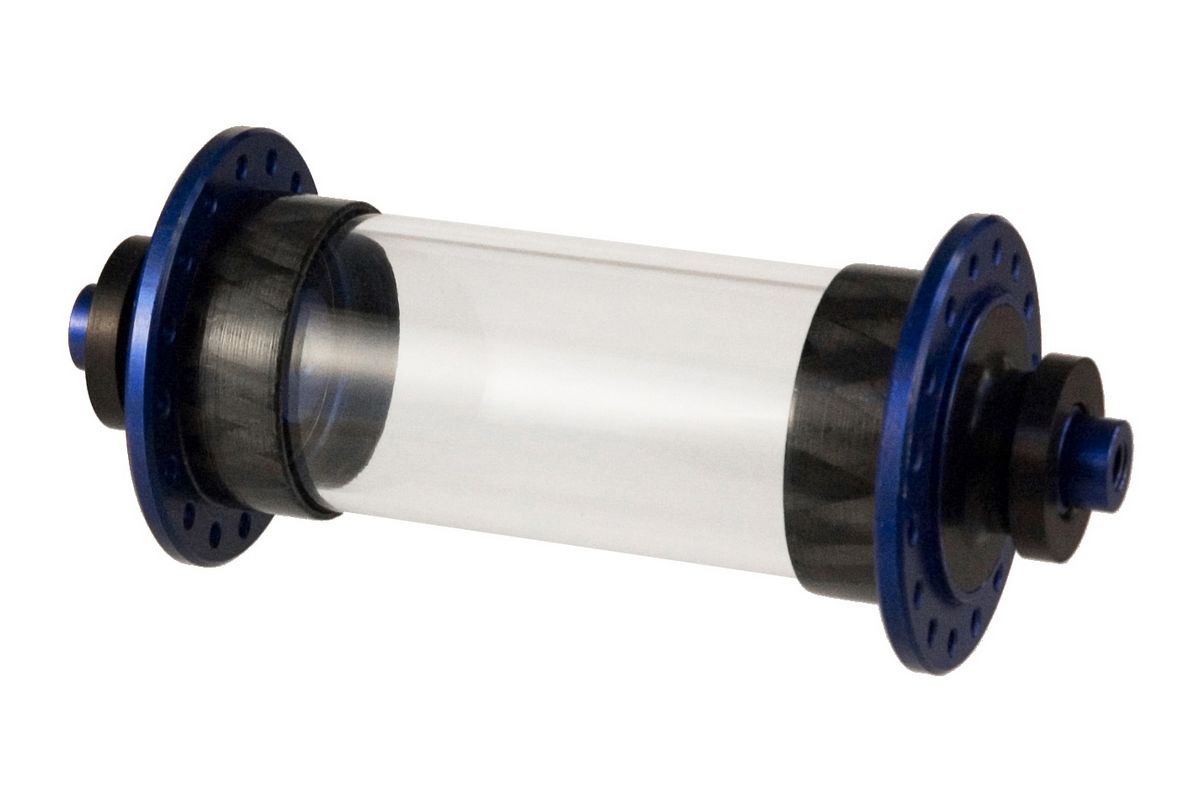
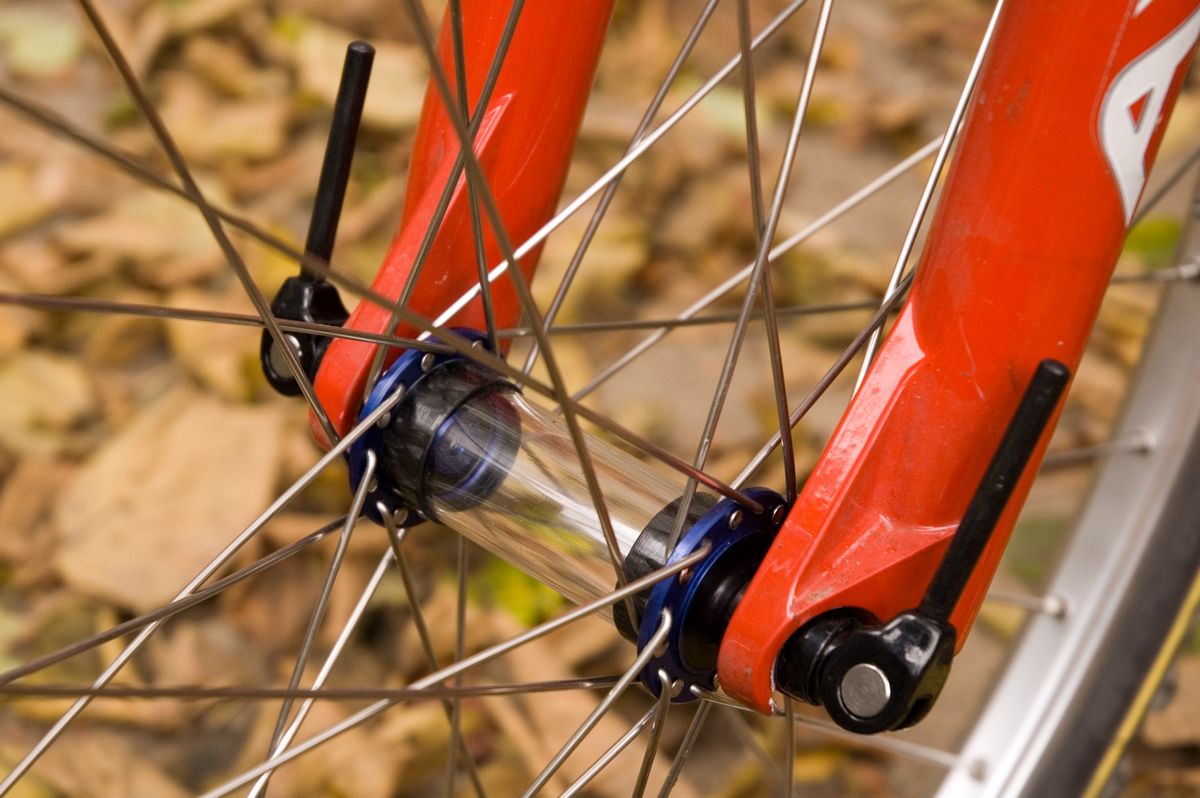
Axle-less MTB front hub
This axle-less MTB front hub was developed as an experimental concept and a technical exercise. It was fully functional despite its unconventional design.
The weight without skewers was 100 g (3.53 oz). It really worked.
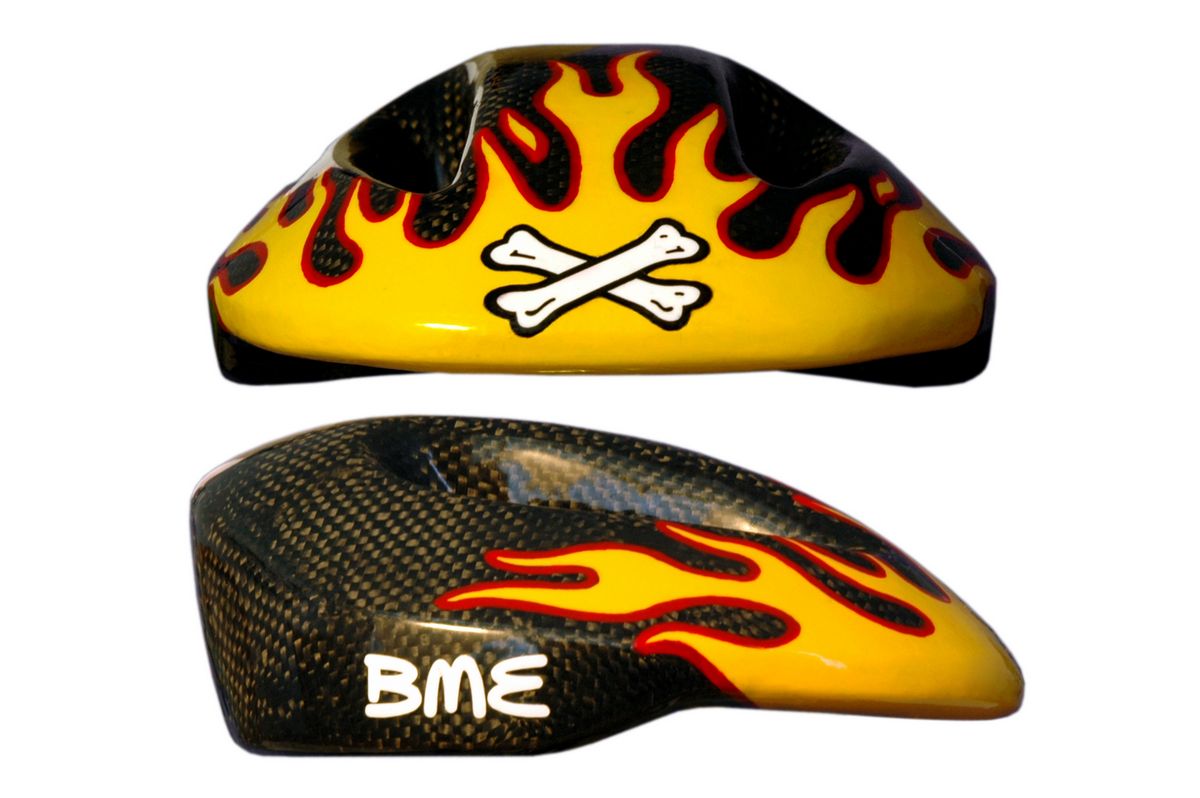
Carbon helmet for Ronny, the biker dog
A small experimental project — a carbon composite helmet designed for a dog. Ronny, the biker dog, often rode in a front basket, which led to the idea of creating a lightweight protective helmet.
The weight of the helmet was 39 g (1.37 oz). It was equipped with a chin strap with a buckle just like real helmets.